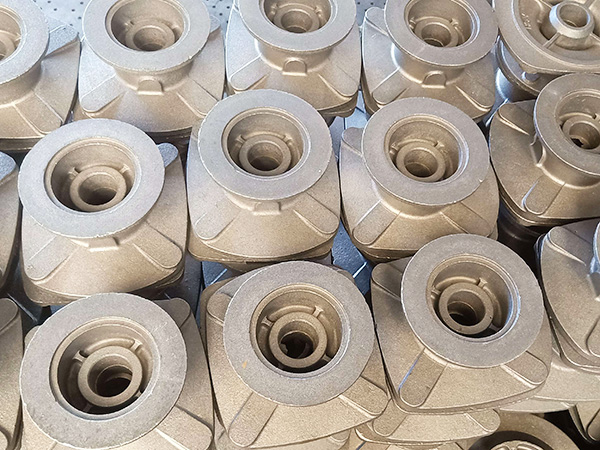
Steel Casting
Steel casting refers to the process of pouring molten steel into a prefabricated mold cavity, allowing it to cool and solidify, then obtaining metal parts of the required shape and performance through subsequent processing....
Steel casting refers to the process of pouring molten steel into a prefabricated mold cavity, allowing it to cool and solidify, then obtaining metal parts of the required shape and performance through subsequent processing. It is widely used in heavy industry, machinery manufacturing, energy, transportation and other fields, and has obvious advantages in producing complex-shaped, high-strength and high-toughness components.
Main Production Processes
First, make molds and cores according to part drawings, commonly using sand molds, investment molds and other forms. Then melt steel raw materials in electric arc furnaces or induction furnaces, control chemical composition and temperature accurately. After pouring molten steel into molds and completing solidification, carry out shakeout, riser cutting, sand blasting and other cleaning treatments. Most steel castings also need heat treatment such as annealing, normalizing or quenching and tempering to improve mechanical properties, and finally finish machining and nondestructive testing.
Common Types
Carbon steel castings are cost-effective and widely used in general mechanical parts. Low-alloy steel castings are added with chromium, molybdenum, nickel and other elements to enhance strength, wear resistance and high-temperature performance. High-alloy steel castings mainly include stainless steel castings, heat-resistant steel castings, etc., which are suitable for corrosive, high-temperature and harsh working conditions.
Process Characteristics
Compared with cast iron, steel castings have higher tensile strength, better toughness and impact resistance, and can be welded and repaired. Compared with forging, it can form more complex structures and reduce processing procedures. However, due to the high melting point and large shrinkage of steel, the mold and gating system design requirements are higher, otherwise defects such as porosity and shrinkage cavity are easy to occur.
Main Application Fields
Steel castings are widely used in key components such as valve bodies, pump casings, turbine parts, railway parts, ship accessories, mining machinery and petroleum equipment. They are important basic parts to ensure the stability and reliability of mechanical equipment.